The Scoreboard Nobody Checks: Tracking the Invisible Wins That Keep Your Campaign Alive
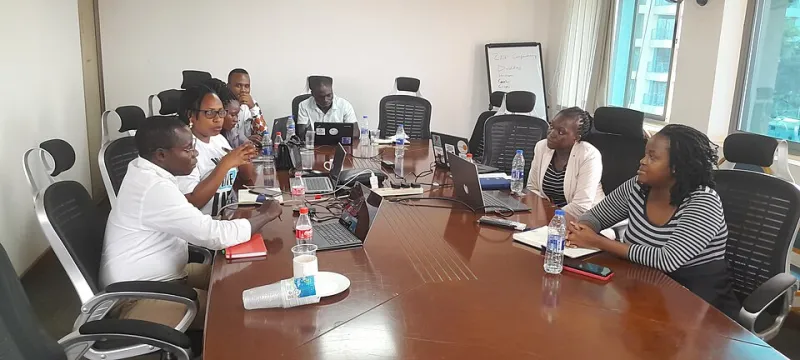
Photo: NANTUMBWEJ, CC0, via Wikimedia Commons
Picture this: six months into your campaign, someone asks how it's going. You don't have a photo of a packed room to show them. No viral clip. No press hit with your group's name in the headline. And if you're honest, that absence stings — because somewhere along the way, you started believing that visible moments were the same thing as progress.
They're not. And the gap between the two is where most volunteer-run campaigns quietly fall apart.
The Moment Trap
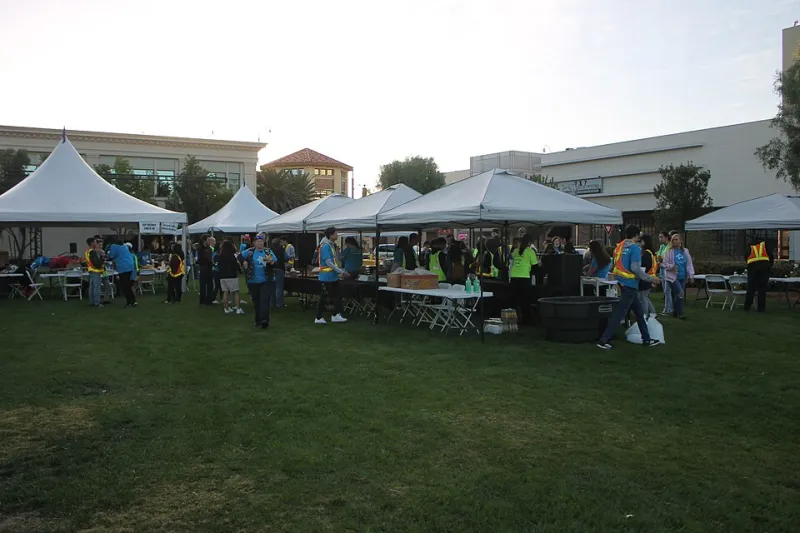
American activism has a highlight-reel problem. We celebrate the march on the state capitol, the city hall steps crowded with signs, the hashtag that trends for an afternoon. Those moments matter — they build energy, signal strength, and get attention that slow work can't buy.
But here's what a decade of watching local campaigns teaches you: the rally is rarely the win. It's the announcement that a win is being pursued. The actual decision — the vote, the budget line, the ordinance revision — gets made in rooms with twelve folding chairs, decided by three council members who've been having quiet conversations with staff for months.
When campaigns judge themselves only by spectacle, two things happen. Volunteers who showed up for the electric feeling of a big event drift away when week after week brings nothing to post. And organizers misallocate energy, pouring resources into the next visible moment instead of the unglamorous work that would actually move the vote.
What Progress Actually Looks Like
Start keeping a second ledger — one that records the stuff nobody photographs:
- Language shifts. Did a council member use your phrase — "heat resilience," "tenant protections," "complete streets" — in a meeting they didn't know you'd watch? That's your idea moving. Ideas travel before votes do.
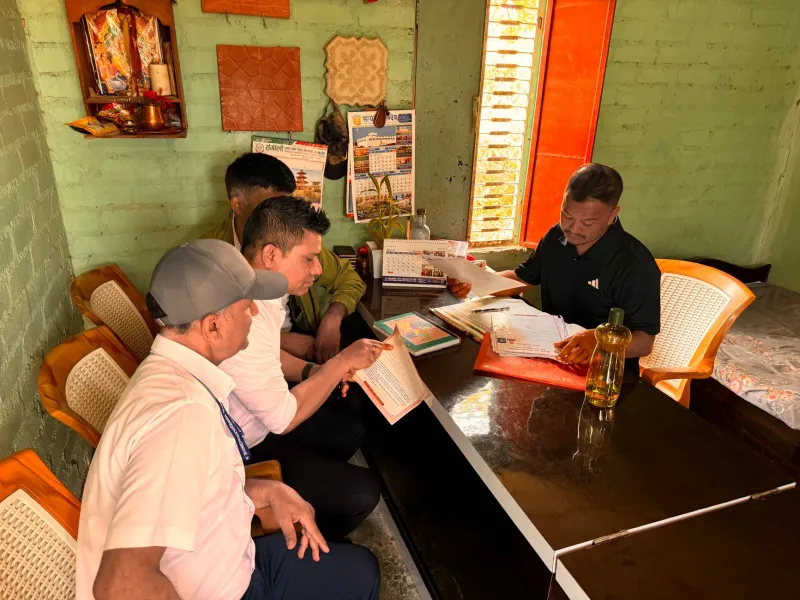
- Staff relationships. The planner or clerk who now returns your emails within a day, who sends you the draft agenda before it's posted, is a channel into the machinery. That relationship took months to build and it's worth more than a news story.
- Minutes and agendas. When your issue shows up as a discussion item — not even a vote — someone with power put it there. Pull up the agenda from six months ago and compare. That diff is your progress report.
- Who's in the room. At your last committee meeting, count how many people came because of your campaign versus how many came the first time you showed up. Growth in that headcount is a leading indicator the vote will eventually follow.
- Opposition behavior. When the other side starts showing up to meetings, or sends a lobbyist, or files a formal response — congratulations. You've become expensive to ignore. That's movement, even though it feels like a punch.
None of this trends. All of it matters.
Build the Unseen Wins Tracker
Here's a practice any campaign can adopt this week. Get a shared document — call it the ledger — and after every significant touchpoint, one person logs three things:
- What moved. One sentence. "Planner Rivera asked us for our traffic data." "Councilmember Okafor quoted our housing numbers."
- What evidence exists. Where it lives: a timestamp in the meeting video, an email, a page number in the packet. Proof beats memory.
- What we expect next. A date and a prediction. "Budget workshop on March 12 — we should see our line item mentioned."
That third entry is the burnout antidote. When you write down what progress should look like next month, you give your team a finish line to run toward that isn't a headline. When the prediction comes true — even partially — you celebrate something real. When it doesn't, you've got a specific question to investigate instead of a vague despair to marinate in.
Ration the Spectacle
This isn't an argument against rallies, press releases, or social media. Visibility is a tool; it's just not a measuring stick. Our rule of thumb: spend about one day of organizing effort on every visible moment, and treat the moment itself as a harvest of the previous quarter's invisible work. A rally full of people who each came because of a one-on-one conversation is a movement. A rally full of strangers pulled in by an algorithm is a photo op.
And when you do hold the big event, mine it for ledger entries, not just likes. Who spoke? Who from the dais stayed to talk afterward? Which reporter took a business card? Those are the dividends the photo can't capture.
The Long Game Is the Only Game
Movements that last — the ones that eventually win — are the ones whose members can articulate their own progress without a camera rolling. They know the vote count before the vote. They know which officeholders are wobbling and which are locked in. They can point to the exact meeting where the tone in the room changed.
That knowledge doesn't come from momentum. It comes from record-keeping, from relationships, from showing up on the boring weeks. So before your next big push, build the ledger. Track the wins nobody claps for. Because the campaign that can see its own slow progress is the campaign that's still standing when the vote finally comes — and still standing is how you win.