One Dense PDF, Six Friends, and a Folding Table: How a Policy Book Club Flipped a Zoning Vote
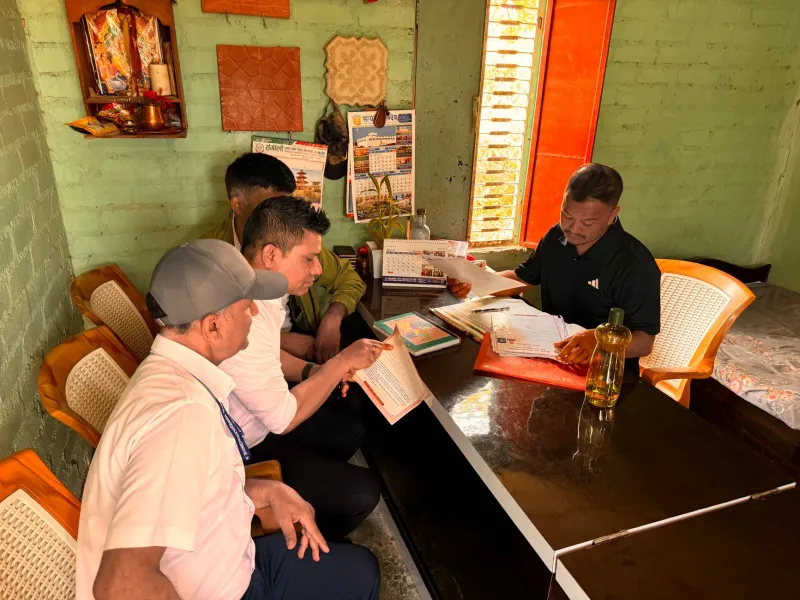
Nobody in the group had a political science degree. Two of them had never been to a council meeting before. What they had was a complaint about a proposed development, a borrowed folding table, and — this is the part people always skip — a shared document.
That document was the city's comprehensive plan, a 140-page PDF most residents had never opened. The group read it in sections, argued about it over potluck chili, and eventually showed up to public comment knowing the zoning code better than two of the councilmembers. The vote they wanted to change? It changed.
You can copy this. Here's how it actually works.
Start With One Document, Not a Movement
The mistake most new activist groups make is trying to tackle everything at once. A book club works because it forces focus. Pick one text:
- A comprehensive plan — every city and county has one, and it's the blueprint for zoning decisions
- A budget draft — published before the fiscal year starts, usually with zero public input
- A school bond measure or referendum — the actual ballot language, not the flyers
- A proposed ordinance — especially ones posted during the holidays when nobody's watching
The document should be dense, local, and time-sensitive. If there's a decision deadline attached to it, even better. A book club with no stakes is just a book club.
Divide and Conquer the Reading
Nobody wants to read 140 pages alone. So don't. Split it up like a syllabus:
- Section captains. Each person takes a chunk — transportation, housing, parks, the revenue projections — and becomes the group's expert on it.
- One-page summaries. Every captain brings a single handwritten page to the meeting. Bullet points only. What it says, what it means, what smells off.
- The question round. Each summary ends with one thing the captain couldn't figure out. The group hunts down the answer together, usually by emailing a planner or showing up to a work session.
This is the engine of shared political literacy. Six people each learn one section deeply, and suddenly the whole table understands the document. You've built expertise no individual could've assembled alone — and you did it in an evening a month.
Turn the Kitchen Table Into a War Room
Here's where most book clubs stop, and where yours shouldn't. Once you understand the document, convert that knowledge into pressure:
Testimony. Assign each member a ninety-second comment slot at the relevant public hearing. Because you divided the document, each person testifies on their section with specifics. Councilmembers can shrug off "I'm against this." They can't shrug off six people citing page numbers.
Letters that get printed. Local papers still run opinion pieces, especially from residents who clearly know the material. Your section captains can each draft one, timed across a few weeks so the issue stays in the news cycle.
Turnout math. Here's the quiet truth of local politics: most zoning votes are decided by whoever shows up. When your six-person club brings eighteen people — partners, neighbors, the folks from the potluck — you've changed the room. Bring a plus-one to every meeting from day one and this takes care of itself.
A Realistic Timeline
- Month one: Pick the document, assign sections, meet once.
- Month two: Summaries, questions, first emails to staff.
- Month three: Attend a work session together. Just listen. Take notes.
- Month four: Draft testimony, submit letters, recruit turnout.
- Decision time: You walk in knowing the document cold while most of the room is hearing about it for the first time.
That's not a years-long commitment. That's a semester.
You Don't Need Permission
No 501(c)(3), no newsletter software, no logo. A group chat, a calendar invite, and one PDF you downloaded from the city website for free. The barrier to understanding how your town runs has never been lower — the documents are public, the meetings are open, and the people across the table from you are volunteers just like you.
Somebody in your zip code is already frustrated about something in that comprehensive plan. Start the group chat. Assign the sections. Put out a folding table.
That's the whole blueprint.