What Happens to Your Letter After the Gavel Falls
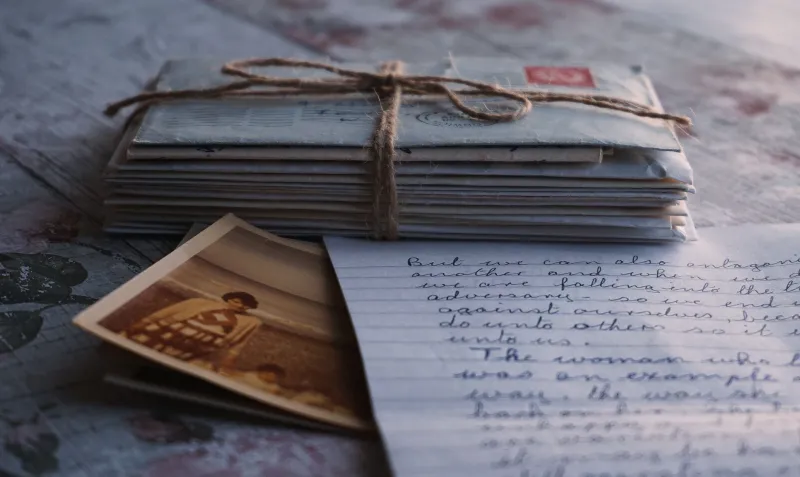
You stayed up late drafting it. You printed it, signed it, maybe even drove it downtown and dropped it in the clerk's office before the deadline. Then the meeting happened, the vote went the way it went, and you went home wondering if anyone would ever look at that letter again.
Here's the thing: they will. Maybe not tomorrow, maybe not this year, but your written comment is now a government record — and that gives it a longer life than most of us realize.
Your Two Minutes Become a Permanent File
Every state has public records laws (they go by different names — the Freedom of Information Law in New York, the Public Records Act in California, sunshine laws in Florida), and nearly all of them treat written public input the same way: as part of the official record of a proceeding. That means the note you handed to the clerk, the email you sent to the council's public comment address, even the index card you scribbled on at the podium — all of it typically gets filed, retained, and in many cases preserved for years.
Retention schedules vary wildly. A small township in Ohio might keep correspondence files for three years. A city clerk in Washington State may be working under a state-mandated retention schedule that keeps legislative files — comments included — far longer. Some records get digitized; plenty sit in labeled boxes in a basement storage room. But "filed" almost never means "thrown away."
Why does this matter to you? Because written comments don't just get archived. They get used.
Where Your Words Resurface
Talk to anyone who's worked as a planning analyst or a council aide and they'll tell you: when staff drafts a report months later, they go back to the record. If a proposal comes back for a second hearing, if a developer revises a site plan, if a state agency requests documentation of public input, your letter gets pulled out of the file.
And here's the part activists should pay attention to: staff reports frequently quote public comments directly. Not paraphrase — quote. A well-written sentence from a resident can end up in a staff recommendation, a council member's talking points, or a consultant's environmental review document. Your letter can shape the framing of a decision long after the meeting where you submitted it.
That cuts both ways. A vague, angry letter gets summarized away in a sentence. A precise, specific letter becomes a citable fact in the record: "Multiple residents raised concerns about emergency vehicle access on the proposed cul-de-sac." That's your language, doing institutional work.
Ask for It Back
Want proof your comment survived? File a public records request. It sounds intimidating; it's mostly an email.
Find the records custodian — usually the city clerk, listed on your municipality's website — and send something simple: "Pursuant to [state public records law], I request copies of all written public comments submitted regarding [agenda item] at the [date] meeting of [body]." Most small requests are free or cost a few dollars in copying. Many jurisdictions now fulfill them as PDFs.
This isn't just about seeing your own letter. Reading the full comment file from a contentious hearing is one of the best research moves an organizer can make. You'll learn who else cares, what arguments landed, and what nobody said that maybe you should say next time.
Writing Comments Built to Be Quoted
If your words are going into a permanent record, write like it. A few habits that separate quotable letters from forgettable ones:
Lead with the specific. "I oppose the variance application at 1400 Maple for three reasons" beats "I'm against this whole project." Cite the address, the ordinance number, the agenda item. Staff files comments by item, and a letter anchored to one is easy to retrieve — and easy to quote.
Write the sentence you want read aloud. Imagine a council member reading one line of your letter into the record. That's your thesis sentence. Put it first. Make it short enough to say out loud.
Bring facts the record doesn't have. "I've lived on this block for 22 years and the drainage ditch floods every spring" is testimony no consultant can generate. Personal, verifiable, specific details are gold in a staff report.
Ask for something concrete. "I ask the council to table this item until a traffic study is completed" gives the record an action to track. Comments that request a specific outcome get referenced in deliberations far more often than comments that just express feelings.
Keep it to one page. Clerks scan. Aides skim. A tight single page gets read; four rambling ones get summarized in a word like "opposition."
Sign it with your name and address. Anonymous comments carry less weight in most bodies, and your address establishes you as a constituent of the people deciding.
The Long Game
There's something quietly powerful about the written record. The comment you make tonight might get quoted in a staff report next spring, cited in an appeal next year, or pulled by a journalist three years from now writing about how a decision got made. Councils change. Staffs turn over. The file persists.
So the next time a hearing matters to you, don't just show up and speak — write it down, submit it properly, and keep a copy for yourself. The gavel falls and everyone goes home. Your letter stays on the record, waiting for the moment someone needs to hear exactly what you said.
That's not a small thing. That's how a single voice becomes part of how a town remembers itself.