Ten Minutes on a Tuesday: Why the Agenda Packet Is the Best Kept Secret in Your Town

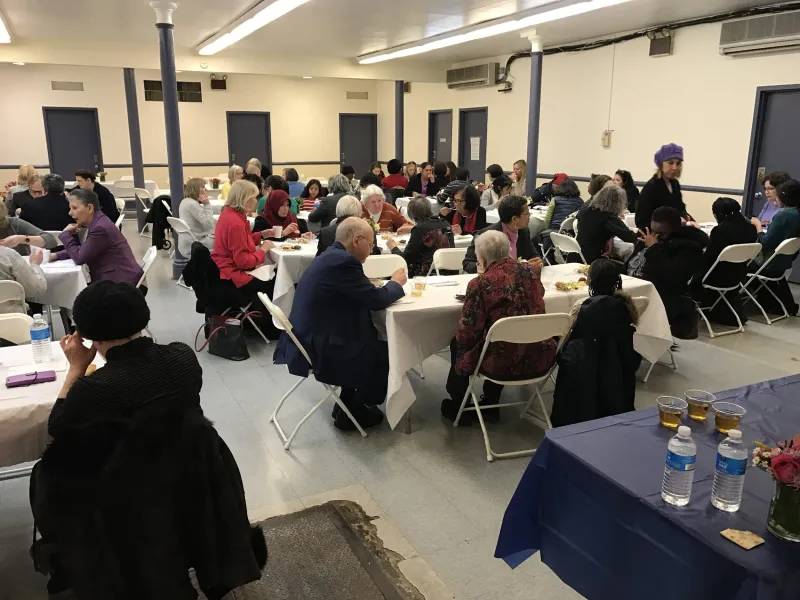
Photo: Philadelphia City Council, Public domain, via Wikimedia Commons
Here's a fun experiment: ask five people in your town what their city council voted on last month. Four of them will shrug. The fifth will mention something they saw in the local paper — which covered it after the vote happened.
That's the gap we're going to close today. Because your municipality publishes a document, usually once or twice a week, that lays out every single thing it intends to do. The zoning change. The contract with the private parking company. The $2 million reallocation from the parks budget. It's all in there, in plain sight, days before anyone votes on it.
It's called the agenda packet. And reading it is the cheapest, fastest form of civic early warning you will ever find.
The Paper Trail Nobody Follows
Think about how most people encounter local government: a news story after the fact, a neighbor's Facebook rant, maybe a notice taped to a lamppost about a public hearing you couldn't attend anyway. By the time you hear about a decision, the decision has been made. The gavel fell. The vote was 6–1.
The agenda packet flips that timeline. In nearly every US municipality — cities, townships, counties, school districts — open meetings laws require that agendas be posted publicly before the meeting. Not as a courtesy. As a legal obligation. Your state's sunshine law or open meetings act is, in effect, a standing invitation to read the playbook before the game.
Almost nobody takes it up. And that's not an accident of apathy so much as a design feature: agendas are posted on clunky portals, written in bureaucratic shorthand, and released on weekday afternoons when everyone's at work. The information is public. The access is not, unless you know where to look.
So let's go look.
Step One: Find the Faucet
Every town has a portal — the official place where agendas live. Common setups include:
- A dedicated agenda platform. Look for names like Legistar, CivicClerk, Granicus, or BoardDocs. These are the software systems most mid-sized and large cities use. They let you search agendas by date and often by keyword.
- The city clerk's page. Smaller towns often just post PDFs on the clerk or "Agendas & Minutes" section of the municipal website. Less fancy, same information.
- The county or school district equivalent. If your issue lives at the county or school board level, those bodies have their own portals and their own posting schedules.
Bookmark it. Seriously — right now, bookmark the agenda page for your city council, your county board, and your school district. That's a three-minute investment that pays off for years.
Better yet, most portals offer email notifications when a new agenda posts. Sign up. You've just automated your early warning system.
Step Two: Learn the Layout (and the Hiding Spots)
Agenda packets follow a rhythm, and once you learn it, you can scan one in ten minutes. Here's what to look for:
The consent calendar. This is where items go to die quietly — or to pass without a single word of discussion. A consent calendar bundles routine items (minutes, routine contracts, small purchases) into one vote. The catch: any item can be tucked in there, including ones that aren't routine at all. Scan every line. If something makes you go hm?, that's your item. In most bodies, any council member can "pull" an item off consent for discussion — and public pressure helps make that happen.
The numbering. Items are numbered, and the numbers matter. When you show up to comment or write a letter, referencing "Item 7B, the proposed intergovernmental agreement with the county" tells staff and council you've done your homework. It also ensures you're talking about the right thing.
The attachments. The agenda is the table of contents; the packet is the meal. Staff reports, the actual text of a proposed ordinance, maps, budget figures — it's usually all attached. The staff report is often the single most informative document: it tells you what the item does, who asked for it, and what staff recommends.
What's not there. Sometimes the absence tells a story. A controversial project that's been discussed for months suddenly missing from the agenda? It may have been pulled, delayed, or moved to a "study session" where no vote happens and less attention is paid. Follow the item across weeks — agendas are a serial, not a standalone.
Step Three: Know Your Clock
Timing is everything. Most municipalities post agendas 48 to 72 hours before the meeting — that's the legal minimum in many states. Some post the full packet days earlier; some add documents late. Learn your town's rhythm. If the packet drops Thursday afternoon for a Tuesday meeting, your window to act is Friday through Monday. That's your mobilization window.
What does action look like in that window? A lot, actually:
- Email the council. A short message referencing the item number, sent to all members, before the meeting. (We've written before about how a handwritten letter can land harder than a hundred form emails — but a timely, specific email beats silence every time.)
- Show up and speak. Most bodies allow public comment on agenda items, sometimes even pulling items off the consent calendar for discussion if residents ask. Ninety seconds at the mic is a real thing, and it lands differently when the vote hasn't happened yet.
- Alert your people. A group chat, a neighborhood association listserv, a note at the co-op bulletin board. "Item 9 on Tuesday's agenda would eliminate the affordable housing overlay — comment period closes Monday" is the kind of message that turns a done deal into an open question.
The Weekly Habit That Compounds
Here's the part nobody tells you: the real power isn't catching one bombshell. It's the accumulation. Read the packet every week for two months and you'll start to notice patterns — which items get waved through, which council members ask questions, which projects keep reappearing with new names. You'll learn the staff's priorities, the mayor's pet projects, the quiet machinery of your town.
That fluency is what separates a one-time outraged commenter from a person who actually shapes outcomes. And it costs you ten minutes a week — less time than the doomscroll you did this morning.
Your town already publishes its plans. The only question is whether anyone's reading them. Be the person who reads them. Then be the person who tells everyone else what they missed.