Let Them Talk First: The Community Session That Turns Your Loudest Critic Into Your Co-Chair
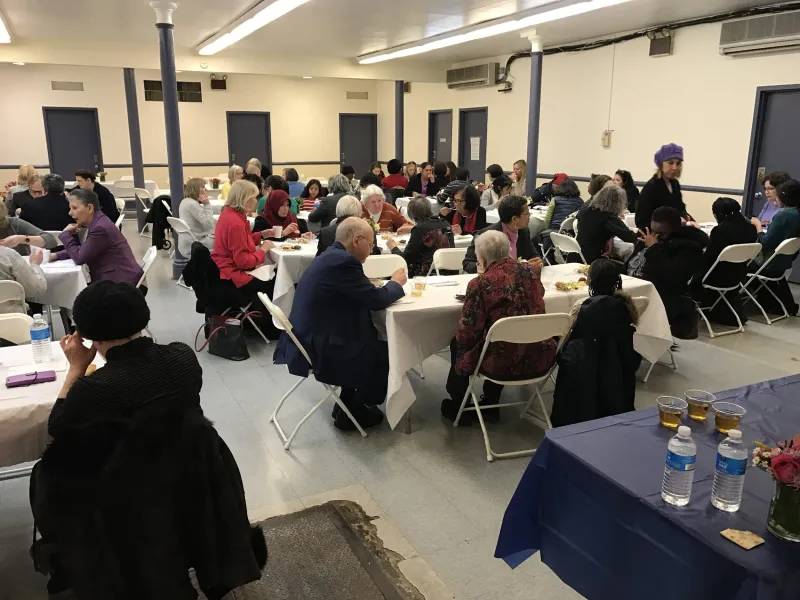
Photo: community meeting folding chairs church basement neighbors talking, via images.squarespace-cdn.com
Six months into the push for a traffic-calming project on your street, the Facebook thread has gone cold. The same three people keep typing the same objections. Your petition signature count has flatlined, and the council member who seemed interested back in March has gone suspiciously quiet.
Here's the uncomfortable truth most campaigns learn too late: the people arguing with you online may be your best untapped recruits. Not because they're about to change their minds, but because nobody has actually asked them to talk yet. A comment section is a monologue contest. A folding chair in a church basement is a conversation.
That's the idea behind what organizers call a listening session — though we like the friendlier name: a come-to-the-table session. You pick a low-pressure spot, you invite everyone including (especially) your critics, and you let them vent before you pitch a single thing.
It sounds backwards. It works.
Why Hearing Critics Out Beats Out-Arguing Them
Most campaigns treat opposition like weather — something to endure. But opposition usually contains information. The neighbor ranting about a proposed bike lane might actually be worried about losing parking for her elderly mother's caregiver. That's not an enemy. That's a design problem, and possibly a future volunteer once someone takes her concern seriously.
Psychologists have a clunky name for this — feeling heard lowers defensiveness — but organizers just call it common sense. When people get to speak first, they stop rehearsing their rebuttal and start listening. When they speak second, they spend the whole meeting loading their next shot.
There's a strategic bonus, too. The council member who eventually weighs in on your issue will notice who showed up to talk with the neighborhood versus who showed up to talk at it. Sessions like this build a public record of good faith that pays off at the dais later.
Pick a Room Where Nobody Has to Wear a Name Tag
Location sets the tone before anyone says a word. A city council chamber screams "formal proceeding." A library meeting room, a laundromat back corner, a church basement with bad coffee — these say "neighbors talking."
A few ground rules for the space:
- Keep it small and unimposing. A circle of fifteen chairs beats a lecture hall. People can't hide, but they also can't perform.
- Pick neutral ground. If your campaign is headquartered in a contentious building, don't host there.
- Feed them. You've heard it before on this site and you'll hear it again: snacks are strategy. A box of donuts does more diplomacy than a PowerPoint.
- No slide decks. Not one. If you need a projector, you've planned the wrong kind of meeting.
Invite widely and personally. A flyer at the library works, but a knock on the door of your loudest critic works better. Yes, really. Say something like: "I know we've disagreed online, and I think I might be missing something. Would you come tell me what I'm getting wrong?" Almost nobody turns down a genuine invitation to be right.
The Agenda: Critics First, Pitch Last (Maybe Never)
Here's a template that's worked for campaigns from school board fights to zoning appeals:
1. Welcome and ground rules (5 minutes). One facilitator, not the whole leadership team. State the purpose plainly: "We're here to listen tonight, not to vote on anything."
2. Open floor — critics go first (30–40 minutes). Do not open with your campaign story. Ask: "What concerns do you have about what's been proposed?" Take notes on a flip chart, visibly. Repeat concerns back in your own words so people know they landed.
3. Small-group sorting (20 minutes). Break into pairs or trios to sort concerns into three columns: things the proposal should address, things it should avoid, and things nobody's proposal touches yet. This gets critics thinking like co-designers without anyone noticing it happened.
4. Where we go from here (15 minutes). Share what your campaign heard, what you'll change, and — this is the key move — name one concrete thing a critic suggested that you'll adopt. Then announce the next session date before anyone leaves.
Notice what's missing: the pitch. If your agenda survives contact with the community intact, you may not need one. The proposal gets rewritten with fingerprints from both sides on it, and suddenly the people who were going to show up to oppose you at the public hearing are showing up to co-sign.
Handling the One Loud Heckler (There's Always One)
Every session attracts someone who treats open mic night as a personal calling. Don't fight for the room — that confirms their story that you're a machine that steamrolls people.
Instead, try the redirect: "That's a real concern — let's get it on the chart and come back to it." Then move on. If they keep going, hand them a job. "You've clearly got strong feelings about enforcement. Could you lead the small group on that column?" Ninety percent of hecklers deflate when handed responsibility. The other ten percent you simply thank, note their concern, and keep the meeting moving.
What you should never do: security, shouting matches, or cutting off the mic. A single viral clip of your campaign silencing a neighbor undoes six months of good faith.
What Success Actually Looks Like
Don't measure the night by applause. Measure it by follow-ups: the critic who emails you a link to a similar project in another town, the person who stayed late to help stack chairs, the guy who showed up spoiling for a fight and left holding a clipboard.
Our whole premise at Our Response is that concern becomes action when people get a real way in. Sometimes the door you open for someone else turns out to be the door your campaign needed. Set the table, let them talk first, and see who's still sitting there when the coffee's cold.
That person? That's your next co-chair.