Who Holds the Keys When You're Gone? Building a Campaign That Outlives Its Founder
Photo: Internet Archive Book Images, No restrictions, via Wikimedia Commons
Every town has a ghost. The crosswalk that finally got painted after a two-year fight. The park that didn't become a parking lot. The zoning change that saved six houses from a demolition waiver. Behind each one, there was a person — and usually, when that person moved to a new job in another state or simply ran out of steam, the whole operation quietly dissolved.
We spend a lot of time on this site talking about how to start. Today we want to talk about the part almost nobody plans for: how to leave.
The Founder Problem Is a Design Problem
Here's the uncomfortable truth: if your campaign would collapse tomorrow without you, it isn't a movement. It's a hobby with your name on it.
Researchers who study civic organizations have a term for the pattern — organizational frailty — and it shows up everywhere from parent-teacher associations to tenancy rights coalitions. The group that wins its fight, throws a pizza party, and then discovers nobody knows where the petition signatures were stored. The monthly meeting that dies when the one person with the Zoom password gets a new job.
The good news is that longevity isn't charisma. It's paperwork. Groups that survive twenty years tend to do boring things deliberately, and you can copy all of them.
Steal These Five Habits
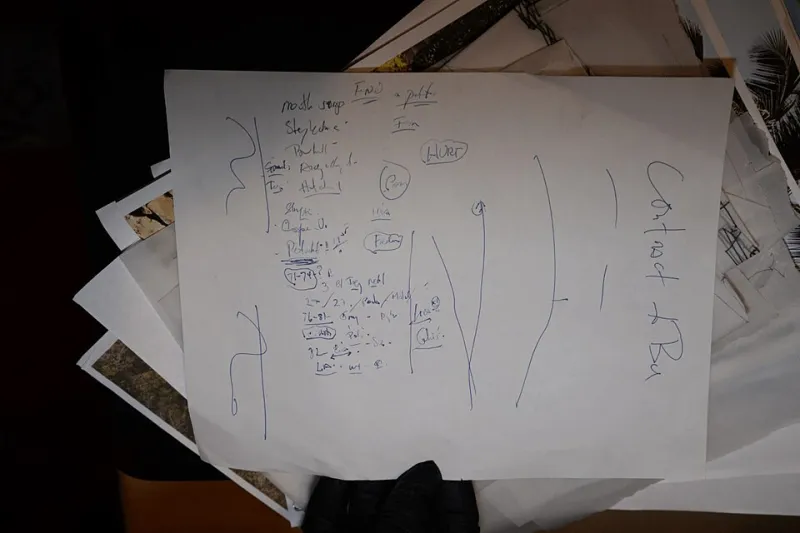
1. Write things down like you won't be there. The best-run local groups we've come across keep what one Ohio housing advocate calls a "grab-and-go binder" — a literal three-ring binder (or shared folder, if you're fancy) containing meeting agendas, contact lists, the history of every issue, passwords to the group email, and notes on which council members respond to which arguments. When a new person takes over, they're not starting from archaeology. They're starting from a manual.
2. Always be training your replacement. Not someday. Now. Every time you speak at a council meeting, bring someone and let them take a turn at the mic. Every time you meet with a city staffer, bring a second person and let them ask half the questions. This is the shadow-leadership model: there's always someone standing behind you, learning the job by doing it, so the transition is a baton pass and not a cliff.
3. Spread the relationships, not just the tasks. The single most fragile asset in any local campaign is the personal relationship — the council member who returns your texts, the reporter who quotes you, the librarian who saves you a room. If those relationships live only in your phone, they leave when you do. Rotate who attends the coffee meetings. Introduce people by name and then get out of the conversation.
4. Make the group the hero, not the person. Notice how the long-lived groups name themselves after the place, not the founder. "Neighbors for Lincoln Park," not "Maria's Committee." It sounds cosmetic, but it shapes identity. People join a thing that belongs to the neighborhood. Nobody joins a fan club.
5. Schedule your own obsolescence. Put term limits on yourself, out loud, at a meeting, with minutes. "I'm stepping back in June, and here's who's taking the lead." It feels dramatic. It's actually the opposite — it converts an eventual crisis into a planned event, and it gives your successor a deadline to prepare for rather than a vacuum to panic in.
A Simple Handoff Checklist
If you're serious about this, block out one evening and work through this list:
- Export your contact list to a shared document (with people's permission)
- Write a one-page history: what we fought, what we won, what's still open
- Hand over every account and password — email, social, the petition platform
- Walk your successor through one full meeting cycle, start to finish
- Introduce them, by email, to your three most important contacts
- Announce the transition publicly, and then actually stay gone
That last one matters more than it looks. The most common way a handoff fails isn't the successor quitting — it's the founder hovering. If you've done the work above, you've earned the right to become an occasional advisor instead of a shadow governor.
The Point of All This
Our Response exists because individual concern becomes collective power — but only if the power can move between people. A campaign that dies with its founder teaches your neighbors a cynical lesson: nothing here is worth doing, because nothing here lasts.
A campaign that survives you teaches the opposite lesson, and it compounds. The person who takes over your housing fight might lead the school funding fight five years later. The teenager who watched a real handoff happen at the library might run for council at thirty.
The goal was never to win one vote. The goal was to make your town a place where people know how to win votes — and that knowledge only transfers if somebody bothers to write it down and pass it along.
So do the unglamorous thing. Build the binder. Recruit your shadow. Announce your exit. The neighborhood you're fighting for deserves a movement with a longer memory than any one of us.