Ink Beats the Algorithm: What Happens When a Handwritten Letter Lands on a Staffer's Desk
Photo: Federal Bureau of Investigation, Public domain, via Wikimedia Commons
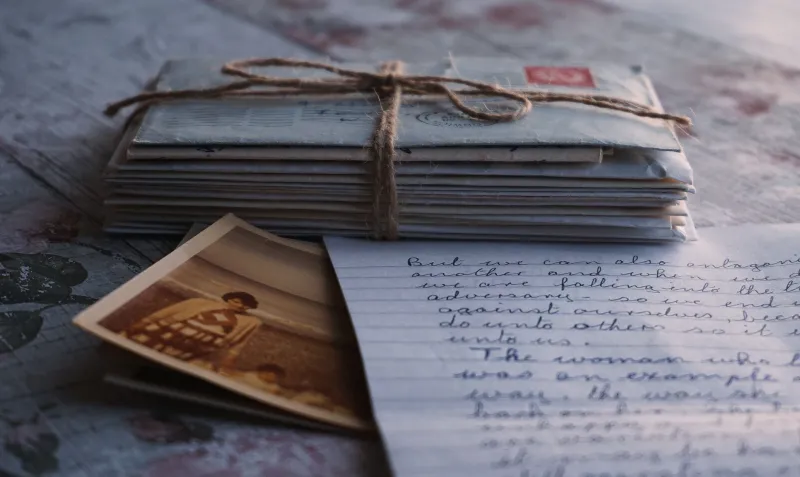
Here's a thing most advocacy clicktivism never tells you: the form email you sent last Tuesday was probably logged as a single tally mark in a spreadsheet, maybe lumped with fifty identical messages into one line item. The handwritten letter your neighbor mailed? That one got set aside. Possibly read out loud at a staff meeting.
We spoke with three former staffers — one from a congressional district office in Ohio, two from city governments in North Carolina and Oregon — and they all described roughly the same sorting ritual. Understanding it changes how you should spend your activist energy.
The Mail Triage Nobody Talks About
Every office that receives constituent input runs some version of triage. Form emails and petition signatures get batched. A staffer (often an intern) logs the topic, notes the position, and adds a number to the weekly count. That count matters — but it's a blunt instrument. Twenty identical messages through an advocacy platform might register as "20 contacts, likely campaign."
A handwritten letter is different from the moment it's opened. It gets its own file. Someone reads the whole thing, because they have to — there's no template to skim past. And here's the detail that came up in every single interview: handwritten letters get quoted.
"I kept a folder," the Ohio staffer told us. "Before every briefing on the housing vote, I'd pull two or three handwritten notes and read a line from each. The boss would remember those. Nobody remembers line 4,000 of the email tally."
Why Analog Effort Reads as Electoral Seriousness
Staffers aren't sentimental about handwriting for its own sake. They're reading a signal. A form email takes eleven seconds. A letter requires paper, a stamp, a trip to the mailbox, and — crucially — the willingness to put your return address on it.
That return address is the whole game. It says: I vote here. I live here. I will notice what you do. In an era when campaigns can generate ten thousand clicks from out of state, a physical envelope with a local zip code is proof of a constituency. City council members especially, who often know their districts street by street, will recognize the neighborhood before they open the envelope.
One of our Oregon sources put it bluntly: "Nobody's printing out form emails to wave at the mayor. But I have absolutely seen a council member hold up a stack of handwritten letters during a debate. That stack has weight. You can't photoshop weight."
The Shoebox Strategy
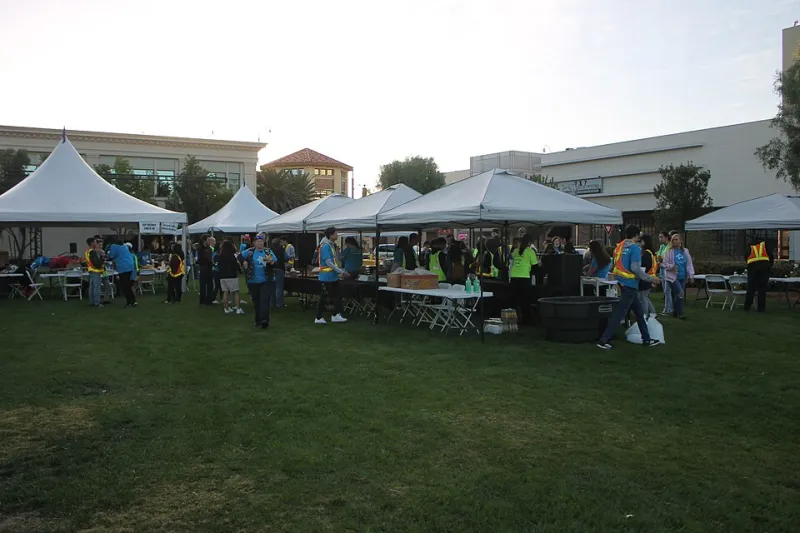
So how do you go from one letter to a stack? You make it social. The letter-writing house party is the lowest-tech, highest-return event in local organizing, and it needs almost nothing: folding tables, pens, stationery, snacks, and a clear ask.
A practical template:
- Pick one target and one ask. Not three issues. One ordinance, one vote, one budget line. Specificity is what gets a letter quoted.
- Provide a one-page briefing. The vote date, the facts, two or three talking points people can put in their own words. Don't hand people scripts — handwritten letters written in someone's actual voice land differently.
- Ask for the return address. Gently, but make it standard. It's what transforms a note into a constituent record.
- Address the envelopes at the party. Finishing the task in the room means your letters actually get mailed. The graveyard of activism is the "I'll drop these off later" pile.
- Stagger the mailings. Letters arriving across two or three weeks register as a rising wave rather than a one-day spike.
- Keep copies or a log. When the vote happens, you'll want to know exactly how much paper your side put in the file.
A dozen people around a living room, ninety minutes, and a pizza — that's thirty to forty letters into the public record. Do that monthly and you've built something no email campaign can fake: an accumulating, physical, undeniable record of neighbors who care.
The Long Game
None of this is an argument that digital organizing doesn't matter. It does — volume counts, and the tally sheets get read. But the two channels do different jobs. Emails prove breadth. Letters prove depth, and depth is what a skeptical elected official needs to see before they'll stick their neck out on a close vote.
The next time a decision is coming before your council or your congressmember, skip the eleventh-hour click. Host the party, pass the pens, and mail the wave. Then show up on the night of the vote and watch what ends up on the dais.
Concern, stamped and sent. That's the response.