Fourteen Chairs, One Empty Room: Reconstructing the Vote That Redrew a Block
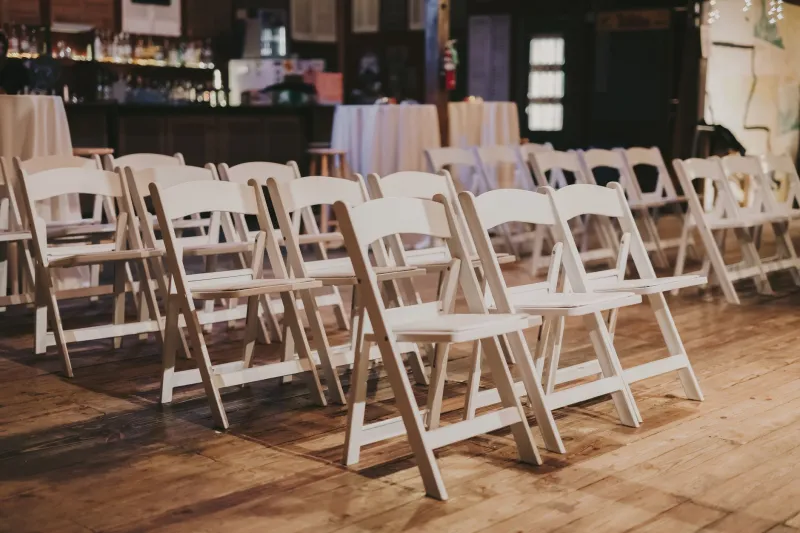
The minutes from the March 14, 1984 planning commission meeting run one page and change. Fourteen rows of folding chairs faced the dais. Three were occupied.
That's not a metaphor. That's the actual attendance record for the public hearing where a five-acre parcel at the edge of a mid-sized American town got rezoned from single-family residential to a commercial overlay. The vote was unanimous. The discussion, according to the transcript, took about four minutes. Nobody spoke in opposition. Nobody spoke at all.
Forty years later, you can stand at that corner and see what those eleven minutes bought: a strip mall with a vacant anchor store, a stormwater runoff problem the public works department has band-aided three times, and a residential street that now functions as a cut-through for delivery trucks. The neighbors who would have been most affected? Most of them later told local reporters, in a 2011 retrospective on the town's growth, that they never heard about the hearing in the first place.
This is a postmortem. Not to shame anyone — the people who stayed home that night were working second jobs, raising kids, living their lives. It's a postmortem to show, in forensic detail, how little it takes to change a place permanently, and how little attention it usually takes to change the outcome.
Rebuilding the Night From the Paper Trail
County archives keep this stuff longer than you'd think. The rezoning file — pulled through a standard public records request, the kind any resident can file — contains the applicant's survey, a staff report recommending approval, and the certified sign-in sheet. That sheet is the gut-punch: fourteen chairs, three signatures. One was the applicant. One was his attorney. The third was a retiree who lived four blocks away and, per a follow-up note in the file, "wanted to see what these meetings were like."
The staff report is worth dwelling on. It's competent. It correctly notes the parcel's highway frontage, projects modest tax revenue, and flags — in a single buried sentence — that "drainage to the east may warrant additional study." That sentence became the flooding problem. It was never studied.
There was no malice anywhere in this file. No corruption, no backroom deal. Just a developer who followed the rules, a staff that did its job, and a commission that approved what nobody contested. The system worked exactly as designed. The design just assumed someone would be watching.
What the Absence Cost
Run the counterfactual with anyone who studies land use and the answers get uncomfortable. A handful of speakers asking about drainage might have triggered a conditions approval — a retention basin, a curb cut relocated. Those conditions are routine; commissions impose them constantly when residents raise specific, concrete concerns. Speakers don't need lawyers. They need thirty seconds of "hey, that water flows into our backyards."
The property tax revenue the rezoning promised? The county assessor's records show the commercial parcel has been assessed below its projected value in most years since 1998, thanks to the vacancy. Meanwhile, homes backing onto the loading dock saw their sale prices lag comparable blocks — a pattern visible in any basic comps search today.
None of this is ancient history, either. Versions of this meeting happen somewhere in your county most weeks. The stakes are usually smaller and sometimes bigger. The attendance is usually worse.
The Quiet Decisions Happening Right Now
Here's the practical part — the checklist we wish that 1984 neighborhood had tacked to every telephone pole:
1. Find your notice board. Most states legally require published notice of rezonings, variances, and conditional use permits — in a newspaper of record, on the property itself, or on a municipal website. Bookmark the notice section of your city's site. Check it monthly. It takes four minutes.
2. Learn the three words that matter. "Rezoning," "variance," and "special exception" are the triggers where your input carries actual legal weight. If you see them attached to an address near you, that's your meeting.
3. Read the staff report before the hearing. It's public, it's usually posted days in advance, and buried conditions and caveats — like that drainage sentence — live in paragraph six, not paragraph one.
4. Ask one specific question. You don't need a speech. "Where does the stormwater from this parcel go?" has stopped more bad approvals than any petition. Specific questions get specific conditions.
5. Bring one neighbor. Not a crowd. One. A hearing with five specific, polite questions reads very differently to a commission than a hearing with zero.
6. Get the decision in writing. After any vote, request the approved conditions. Then check — a few months later — that they were actually built. Enforcement only happens when someone's looking.
The Fourteen Chairs Are Still There
Every town in America has a room with fourteen chairs. Most nights, most of them are empty. The people who fill even one chair aren't more virtuous than the people who can't — but the minutes remember who was there, and so does the landscape, forty years on.
Our response to that is simple: find the next quiet agenda item, and put a body in a chair.