Casserole Beats Cash: Why Potluck Politics Still Wins at City Hall
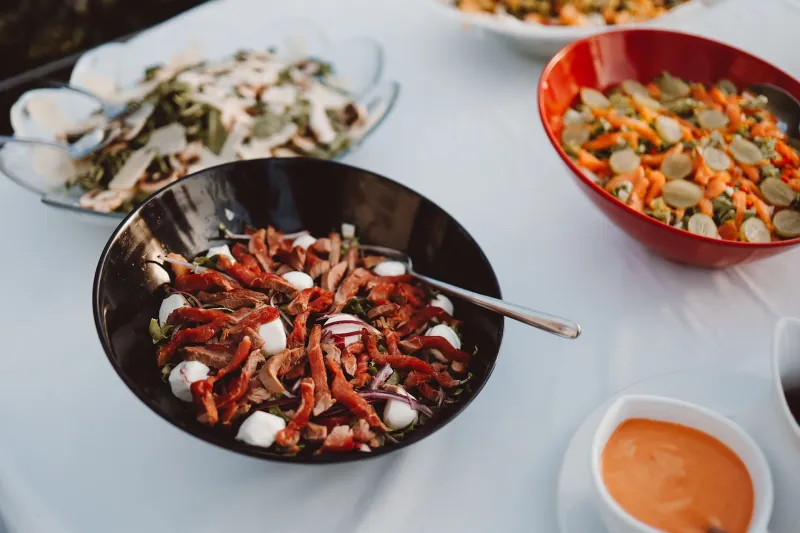
Let me say the quiet part loud: a $50,000 digital ad campaign loses to a church basement full of casseroles more often than consultants want to admit.
Not always. Not at the state level, not in congressional races where money moves numbers at scale. But at the municipal level — the school board, the zoning appeal, the water rate fight — the data and the anecdotes keep pointing the same direction. Presence beats polish. Food beats Facebook ads. And the groups that understand this are winning fights they had no business winning on paper.
The Math That Favors the Bake Sale
Here's what big money buys: impressions. Eyeballs. A voter sees an ad and feels vaguely warm or vaguely suspicious, and that feeling evaporates by Election Day.
Here's what a potluck buys: relationship. When you've shared a folding table with someone at three hearings, when their kid has held yours at the back of the room, you don't need to persuade them with targeted messaging. They're already in. And they bring four more people, because nobody turns down a neighbor with a sign-up sheet.
Municipal elections are won by hundreds of votes, sometimes dozens. A hyper-local operation that reliably turns out eighty committed people isn't a cute underdog strategy. It's a decisive one.
How the Underdogs Won
Consider the pattern playing out across the country. In a mid-sized Ohio town, a neighborhood association facing a well-funded developer's rezoning push didn't buy a single ad. Instead, they organized childcare during the planning commission's evening hearings — staffed by volunteer teens earning service hours — which doubled the number of working parents who could testify. The rezoning failed 6-1.
In a Texas suburb, opponents of a school closure hand-delivered postcards to every household in the affected attendance zone. Not mailed — hand-delivered, with a note from an actual family on the block. Three thousand cards, maybe $200 in supplies. The board reversed course.
A rural food co-op fighting a county water fee hike showed up to the budget hearing with a spread of homemade food for the board and staff — disarming, humanizing, impossible to argue with. The fee got restructured with a low-income exemption nobody had proposed.
Different states, different fights, same playbook: make participation easier, make the message personal, make the room feel like community instead of conflict.
Your Starter Toolkit
Ready to run this play yourself? Here's the bare minimum:
The childcare co-op. Recruit three or four trusted volunteers (teens need service hours; retirees love this job). Set up a corner of the meeting venue or a nearby room with snacks and games. Announce it in every meeting notice: "Childcare provided." Watch attendance transform.
The food table. Cookies at the door. Coffee for the wait. It costs $30 and it changes the temperature of a hostile room. People linger, talk, and organize in ways they never would in a cold hallway.
The hand-delivered postcard. Ditch the email blast. A card with a handwritten line from a real neighbor gets read. Divide your target area by block, assign each block to someone who lives on it, and keep the ask to one simple action.
The ride list. Half the reason people skip hearings is logistics. Keep a simple list of drivers and a simple list of riders. Match them by text.
The debrief potluck. After the meeting, everyone goes somewhere with food and compares notes. This is where strategy actually gets made — and where one-time attendees become regulars.
The Argument, Stated Plainly
I'll go further than most: the obsession with digital-first campaigning is quietly draining our local movements of their actual strength. Slick is replicable — the other side can buy slick too. What money can't buy is a room where people know each other's names, watch each other's kids, and show up because someone they trust asked them to.
That's not nostalgia. That's the most underpriced asset in American politics. And the entry fee is a casserole.