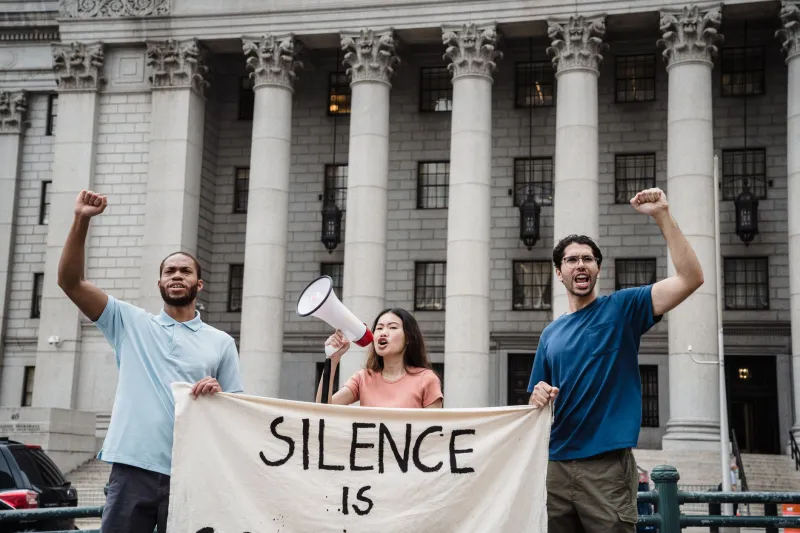
Nobody Quits When Somebody's Waiting: The Plus-One Rule of Organizing
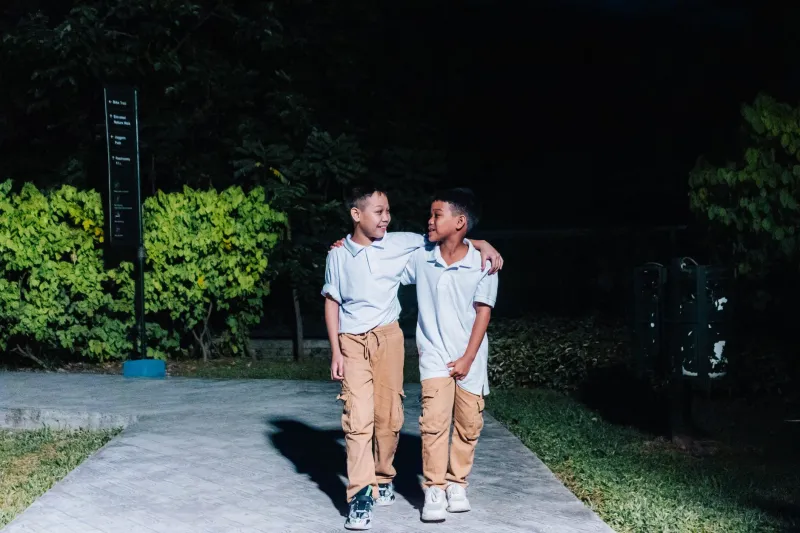
Here's a stat every organizer learns the hard way: the single best predictor of whether someone shows up to a meeting isn't how passionate they are. It's whether they know somebody who's going.
You can send a thousand reminder texts. You can promise snacks, childcare, and a charismatic speaker. If your new activist is planning to walk into that community room alone, there's a decent chance they'll end up on their couch instead, telling themselves they'll catch the next one.
Now flip it. If one human being has said, 'I'll meet you in the parking lot at 6:30,' something changes. Suddenly there's a cost to bailing that isn't about politics at all. It's about not leaving a friend standing alone in a parking lot.
That's the plus-one rule, and it might be the most underused tool in progressive organizing.
Why Pairs Beat Solo Acts
The logic is almost embarrassingly simple, but it stacks up in three distinct ways.
Accountability is social, not moral. We're terrible at keeping promises to ourselves and remarkably good at keeping promises to people we like. A calendar reminder is easy to ignore. A text that says 'still on for tonight?' is not.
Nerves dissolve faster in twos. Remember your first city council meeting? The weird rituals, the parliamentary jargon, the panic of not knowing when you're allowed to talk? Now imagine walking into that with a friend who can lean over and whisper 'I think we're allowed to clap here.' The barrier to entry for a first-timer drops by half, easy.
Two people generate energy that one can't. One person at a canvass can feel like a weirdo bothering strangers. Two people debriefing between doors — 'Did you see her face when I mentioned the bus route?' — turn an awkward slog into something that actually feels like a movement. That's the stuff people come back for.
The Math That Organizers Pray For
Here's the part that should excite anyone trying to grow turnout: pairing compounds.
If you attend an event alone, the event has one attendee. If you bring one person, it has two — and you've converted a maybe into a yes. But that plus-one now has a connection to the movement that no email list can replicate. Next month, they might bring someone. And so on.
Ask any longtime organizer about the moment their group took off, and they'll rarely cite a viral post. They'll tell you about the two neighbors who kept showing up together, then four, then a row of folding chairs that had to be added.
The Rules of a Good Plus-One
This isn't complicated, but a few ground rules keep it working:
- Make the ask specific. 'You should get involved sometime' dies quietly. 'School board workshop, Tuesday, 7pm, I'll pick you up at 6:40' lives.
- Pick something low-stakes first. A listening session or a park cleanup beats a confrontational hearing for a first-timer's debut.
- Debrief afterward. Ten minutes over tacos afterward — what surprised you, what was confusing, what's next — converts attendance into commitment.
- Trade the favor. The best plus-one relationships are reciprocal. Next time, they bring you.
Your Challenge This Week
Here it is, and we mean it: think of one person in your life who has complained about something local — the crosswalk, the school closures, the rent, the park that flooded again. Someone whose outrage outruns their involvement.
Text them one sentence. Name a specific event, a specific time, and a specific offer: 'I'll drive.'
That's it. You're not asking them to join a committee, donate, or read a 40-page agenda. You're asking them to stand next to you for ninety minutes.
Most people don't quit activism because they stopped caring. They quit because showing up alone got lonely. Don't let that happen to anyone you know — and don't let it happen to you.
Bring a friend. Double the movement. It really can start with a text.