Show Up Twice: The Quiet Vote Where Your Ordinance Actually Lives or Dies
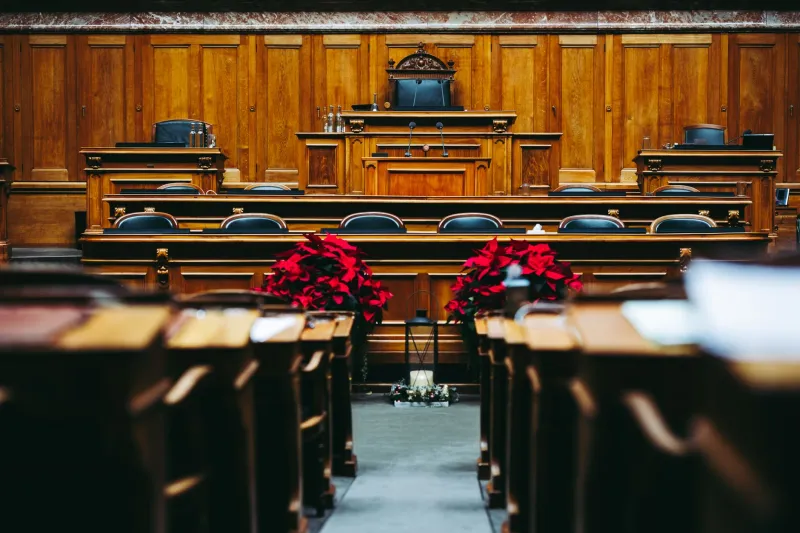
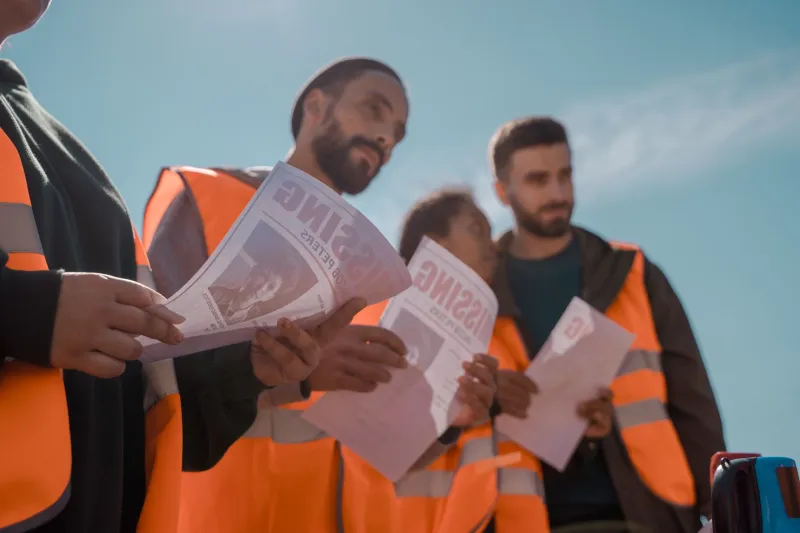
Here's a story that plays out in city halls and county courthouses across the country every single week. A controversial ordinance gets introduced — maybe it's a rent stabilization measure, a zoning change, a police accountability board. The chamber fills up. Neighbors clutch their speaking cards. Local news sends a camera. People give passionate public comment, the council takes notice, and everyone walks out feeling like something got decided.
Nothing got decided. In most American municipalities, that first meeting is just the introduction — a formality. The real vote happens weeks later, at a second or third reading, when the agenda is crowded, the press has moved on, and the gallery seats are empty.
If you care about an issue, the introduction is the photo op. The follow-through is where you win or lose.
Why the Second Reading Is the One That Counts
Most cities and counties follow some version of a multi-reading process, and it's not bureaucratic trivia — it's the whole game. A typical ordinance gets introduced at one meeting, then formally considered at a subsequent meeting, sometimes with a public hearing sandwiched in between. State statutes and local charters often require that gap, partly so lawmakers have time to think and constituents have time to respond.
That gap is also where opponents of a measure do their quiet work. Lobbyists call council members between readings. Well-funded interests submit written comments that arrive without a crowd attached. Amendments get negotiated in the hallway — sometimes ones that gut the original intent. By the time the second reading rolls around, the ordinance on the agenda may look very different from the one you championed.
Meanwhile, the supporters? A lot of them assumed the fight was over. They showed up once, did their part, and went back to their lives. That's not a character flaw — nobody's born knowing how a legislative calendar works. But it's a gap we can close.
Read the Agenda Like a Tracker, Not a Spectator
Your first job is to stop treating the agenda as a document that gets read to you and start treating it as a map. Every agenda item has a number, a title, and — this is the key part — a status. Learn the vocabulary your body uses. Common terms include:
- Introduced / First reading: The measure exists. Nothing is decided. Show up if you want to make an impression early, but know that this is the photo op.
- Referred to committee: The item got punted to a smaller body. This is where things often quietly stall. Track the committee calendar too, not just the full council's.
- Public hearing scheduled: Your formal chance to comment. Put it on the calendar immediately.
- Second/third reading — vote scheduled: The endgame. If you miss this, you missed the decision.
- Tabled / continued / postponed: Not dead, not alive. Check when it comes back — and show up then.
Pull up your city's agenda portal tonight and find one item you care about. Note where it is in the process. That's your starting position.
Set Alerts So the Calendar Works for You
Here's the good news: you don't need to haunt the municipal website. Most local governments have gotten reasonably good at notifications, even if their websites look like they were built in 2009.
- Agenda subscription services. Many municipalities use platforms like Legistar, Granicus, or CivicClerk. These let you subscribe to alerts filtered by keyword or body — so you can get pinged whenever anything mentioning, say, "short-term rental" hits an agenda.
- Council member newsletters. Often underrated. They frequently flag what's coming up at the next meeting.
- Local news and advocacy groups. Follow the reporters who cover your city hall and the nonprofits working your issue. They're often the first to flag a surprise agenda item.
- The clerk's office. Genuinely. Call or email and ask how to get notified when a specific ordinance is scheduled for its final reading. It's their job to answer this, and most are happy to.
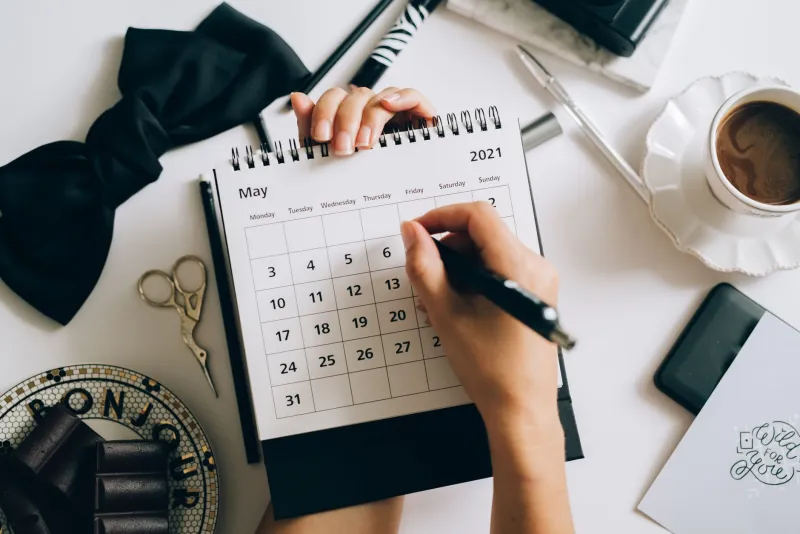
Then do one more thing: put the likely second-reading date on your personal calendar the moment the first reading happens. Ask the clerk when it's tentatively expected. Build your plan around that date, not around the emotional high of the first meeting.
Keep the Coalition Warm Between Readings
The weeks between readings are not dead time — they're organizing time. This is when you:
- Request a meeting with your council member. One-on-one conversations between readings move votes more than three minutes at the mic ever will. Bring two or three neighbors.
- Submit written comment. It goes into the public record and gets referenced in staff reports. Written comments that arrive between readings are especially potent because they're fresh when the vote happens.
- Watch for amendments. Compare the staff report and the ordinance text for the second reading against the original. If something changed, that's your story to tell — and your reason to show up again.
- Recruit a fresh face. If you brought five people the first time, bring five different people the second time. A packed room at the final vote signals staying power, not just a mobilized Tuesday.
The Rule That Changes Everything
If you take one habit from this article, make it this: for every issue you care about, commit to two appearances, minimum. One at introduction to put the body on notice, and one at the final reading to hold the line. Everything in between — the calls, the emails, the coffee meetings — is the connective tissue.
It sounds simple because it is. The reason it works is that so few people do it. The second meeting is where proposals go to die quietly, or pass quietly, when nobody's watching. Be the person who's watching. Bring a friend. Fill a seat.
The photo op is their moment. The follow-through is yours.