Circle the Dates That Matter: Your Personal Map to the Civic Year

Here's an uncomfortable truth about local politics: most of the big decisions in your community get made on a schedule that's public, posted, and almost entirely ignored. Not hidden. Ignored. And that gap — between what's on the record and what people actually pay attention to — is where regular folks like us have the most power.
The trick isn't showing up more. It's showing up on time.
Why Reaction Is a Losing Position
By the time a policy fight hits the news, the real work is usually done. The budget line item was inserted months ago. The zoning change survived its first committee hearing with three people in the room. The map was drawn behind closed doors during a window that lasted six weeks.
Reacting means fighting decisions that already have momentum, staff recommendations, and a council majority leaning yes. Showing up early means you're shaping the question instead of screaming at the answer.
So let's build the calendar.
The Five Dates That Decide Your Year
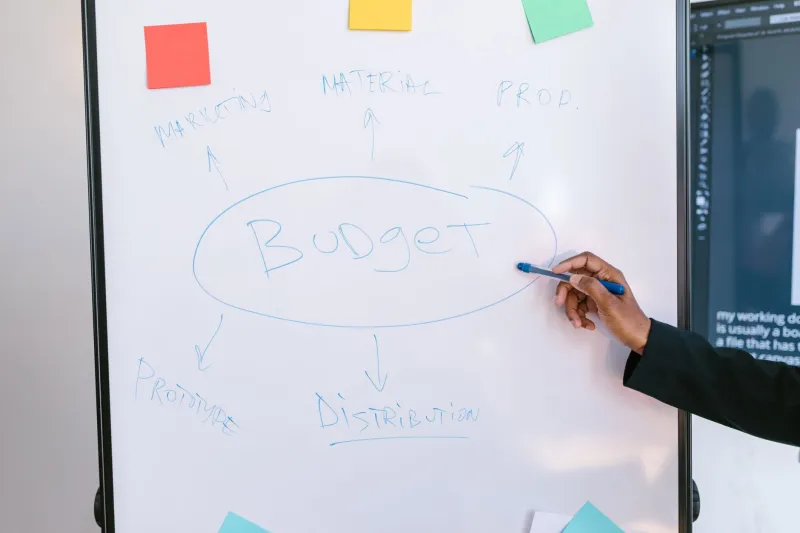
1. The budget hearing (usually spring or early fall). Every city, county, and school district sets spending once a year, and the public hearing is often a legal formality held before a nearly empty chamber. Find your municipality's fiscal year — many run July to June, meaning the draft drops in April or May. That's your window to speak up before a single dollar moves.
2. Candidate filing deadlines. Want to run for something, or want a better option on the ballot? Filing windows are shockingly short — sometimes a week or two, often in early summer for November elections. When a well-liked incumbent files unopposed, that's not democracy working. That's a deadline nobody watched.
3. Redistricting and reapportionment windows. After every census, and periodically for city wards and school board districts, boundary lines get redrawn. Public comment periods exist. They are frequently sparsely attended. A few dozen comments about keeping neighborhoods whole can genuinely alter a map.
4. Ballot measure cutoffs. If you want an initiative on the ballot — or want to rally opposition to a referral from council — signature deadlines and council resolution dates are hard walls. Miss them by a day and your issue waits two more years.
5. The annual organizational meeting. Most boards reorganize once a year: they pick chairs, assign committee memberships, and set their own rules. This snoozefest determines who controls what gets a hearing and what dies quietly. Mark it.
Building Your Action Calendar
Don't trust your memory. Build a system:
- Spend one hour on your government's website pulling meeting calendars for the council, planning commission, and school board. Add recurring dates to your digital calendar with a 48-hour reminder.
- Sign up for agenda notifications. Nearly every jurisdiction has an email list. Yes, the emails are boring. That's the point — you'll see items before they're final.
- Set a January reminder to research that year's filing deadlines, budget cycle, and any redistricting activity.
- Recruit a calendar buddy. You cover the planning commission, they cover the school board, and you text each other when something's up. Half the coverage, twice the reach.
The Twelve-Hour-a-Year Plan
Here's the part that should make you feel better: you don't need to be a full-time activist. If you attend the budget hearing, testify for ninety seconds, show up to the organizational meeting, and watch the two or three deadline-driven moments — you've invested maybe a dozen hours across an entire year. That's less than most people spend on a single streaming series.
And the comparison matters. The lobbyists and developers who dominate local decision-making? They're staffed. They attend everything. But they can't out-number you at a hearing where only four people show. They can't out-wait a deadline they didn't know you were tracking.
The calendar is the campaign. Whoever knows the dates controls the game. This year, make sure that's you.