Ninety Seconds at the Mic: A First-Timer's Script for the Public Comment Line
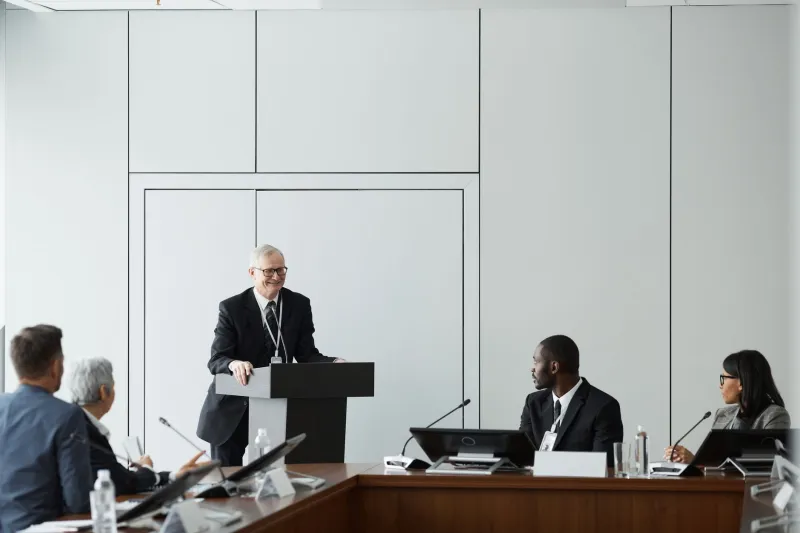
Let's get one thing out of the way: nobody at a town hall expects you to be a professional speaker. The mayor has sat through hundreds of comments. Some were brilliant, some were rambling, one guy once brought a ukulele. You will not be the worst one. You might even be the best one — because most people who show up never say a word.
The Mic Is the Whole Point
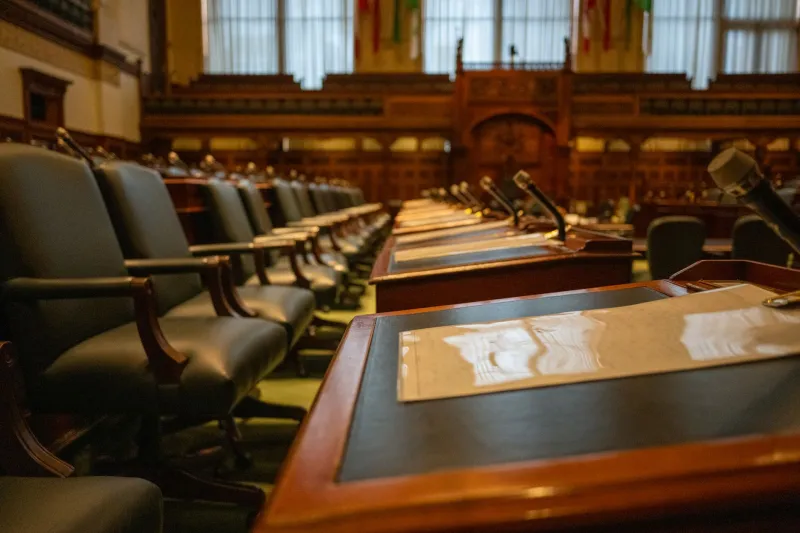
City councils, school boards, and county commissions are legally required to set aside time for public comment. That's not a courtesy; it's often the only window where elected officials must listen to residents on the record, with cameras rolling. A written email can be skimmed. A comment at the podium becomes part of the minutes, gets quoted by the local reporter in the third row, and — this is the part people underestimate — signals to other residents that speaking up is normal.
One confident voice at the mic routinely unlocks three or four more. That's how a single comment becomes a story, and a story becomes an agenda item.
Know Your Time Limit Before You Open Your Mouth
Most bodies give you two to three minutes. Some give you one. Check the agenda posted online — it usually says so right at the top. Whatever the limit, aim to land at about 90 seconds. Here's why: it's short enough that you won't get the "wrap it up" gavel, long enough to make one real point, and tight enough that the quotable sentence doesn't get buried in the middle.
Practice out loud once, timed. Not in your head. Out loud, in your kitchen, timed on your phone. It will feel absurd. Do it anyway.
The Fill-in-the-Blank Script
Copy this, swap in your details, and you're done:
"Good evening, my name is [name], I live on [street/neighborhood], and I'm here about [agenda item or issue].
[One sentence of personal stakes. Something true and specific: how long you've lived here, what you do, what you've seen change.]
[One sentence stating what you want. Be concrete: 'I urge you to vote yes on Item 7,' or 'I ask the board to hold a public hearing before this moves forward.']
[One sentence the press can quote. Short, plain, punchy. 'We can't fix the drainage problem with another study.' 'Our kids ride this bus every day.']
Thank you for your time."
That's it. Personal stakes, a specific ask, one quotable line. Reporters cover meetings looking for exactly that third sentence. Give it to them clean.
Keeping Your Composure When the Red Light's On
A few things that help, in no particular order:
- Look at a person, not the whole room. Pick the friendly-looking council member or a neighbor in the audience and talk to them.
- Pause instead of rushing. Silence feels eternal to you and reads as confidence to everyone else.
- If you blank, look at your card. Nobody minds. Reading a prepared statement is completely normal and completely allowed.
- Don't take bait. If a council member pushes back with a question, a simple "I'd be happy to follow up with my contact information" ends the exchange gracefully. You are not obligated to debate.
And if your hands shake? Shake them. People respect nerve more than polish, every single time.
After You Sit Down
Stick around for the whole meeting if you can. Note which officials respond to your point and which ones check their phones. Then send a two-line follow-up email to the clerk or the relevant member referencing your comment — it goes into the public record again and keeps your issue alive past the meeting.
The cup of coffee rule holds: showing up costs about as much effort as a coffee run, but unlike coffee, it compounds. Bring a neighbor next time.