Follow the Money All the Way to City Hall: How to Decode Your Local Budget Before It's Spent
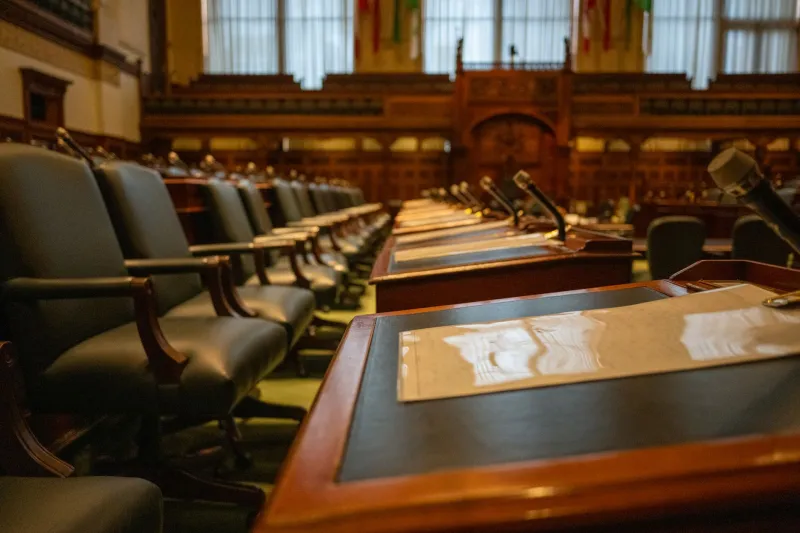
Every spring, in city halls and county courthouses across America, a handful of people decide how your tax dollars get spent. Sometimes it's five council members. Occasionally it's three. And here's the kicker: they do it in a room that's open to you, with documents you're legally entitled to see, weeks before anyone votes.
Most residents never show up. Not because they're apathetic — because nobody ever explained the playbook. So let's fix that.
Why the Budget Is the Whole Ballgame
Campaign promises are cheap. Budgets are where the actual decisions live. Does the town hire more code enforcement officers or buy another fire truck? Does the library stay open on Sundays? Is there money for crossing guards, sidewalks, a new park in the neighborhood that's been asking for one since 2019?
All of it gets settled in the budget process — which means all of it is winnable if you engage at the right time. Once the budget is adopted, changing it takes a supermajority or a whole new fiscal year. Before adoption, a handful of informed speakers can genuinely shift line items.
Step 1: Get the Documents (You Don't Need a Lawyer)
Start simple. Most local governments post a proposed budget online — search "[your town] proposed budget FY 2026" or check the finance department's page. If it's not there or it's a 300-page PDF with no summary, email the finance director or clerk and ask two questions:
- When is the budget hearing scheduled?
- Is there a budget-in-brief or summary document?
If documents are hard to get, file a public records request. Every state has one (often called FOIA at the state level, or the state's sunshine law). Keep your request narrow: "the proposed general fund budget and any budget summary documents for fiscal year 2026." Narrow requests get answered fast.
Step 2: Learn to Read It in 30 Minutes
You don't need an accounting degree. Local budgets usually break down into:
- The general fund — day-to-day operations: police, public works, parks, administration
- Enterprise funds — services that charge fees, like water and sewer
- Capital improvement plan (CIP) — the big-ticket stuff: buildings, roads, equipment
- Fund balance / reserves — the town's savings account
Look for three things. First, the big movers: which departments grew the most compared to last year? Budgets usually show prior-year comparisons — scan for the biggest percentage jumps. Second, personnel costs, which typically eat 60–80% of a general fund. New positions are policy decisions, not inevitabilities. Third, what's missing. If the town spent two years talking about a community investment and there's no line for it, that's your testimony.
Step 3: Do the Math on One Thing You Care About
Here's a trick organizers use constantly: pick one line item and translate it into human terms. A $400,000 line for something? That's roughly the cost of four year-round employees, or a fully funded summer youth program, or the deferred maintenance on the rec center that keeps getting pushed.
You're not expected to audit the whole budget. You're expected to say, credibly, "here's what $X buys, and here's why my neighbors want it spent differently." That's more than 95% of the public input they'll receive.
Step 4: Show Up and Testify Like You've Done It Before
Budget hearings usually happen in May and June for July-start fiscal years (many towns run July–June; others run January–December, so check). The rules of effective testimony:
- Sign up early. Speaker cards often go out 15 minutes before the meeting. Arrive 30 minutes ahead.
- Keep it under two minutes. Seriously. Write it out and rehearse it. Council members remember short, specific asks, not rambling ones.
- One ask, stated clearly. "I'm asking the council to restore funding for the Sunday library hours, which is line 45 in the general fund." Name the line item if you can — it signals you did the homework.
- Bring neighbors. Three speakers on the same ask beats one great speaker. Agree on the message so you don't repeat each other.
- Follow up in writing. Email your testimony to all council members before the final vote. Written comments go into the record and get read on a calmer day.
Step 5: Track the Vote and Keep the Receipts
Budgets usually pass on second or third reading, so the fight isn't over after one hearing. Watch for the adoption vote, then check whether your ask survived. If it did, thank the council member who championed it — by name, publicly. If it didn't, you've now got a documented record of the ask, the support, and the vote. That's the foundation for next year's campaign, and for a question at every candidate forum between now and then.
The Part Nobody Tells You
The first time is the hardest. The second time, you'll know the clerk's name, the hearing schedule, and which council member actually reads the packets. By the third budget cycle, you're not a member of the public showing up — you're a fixture the process has to account for.
That's how spending priorities change. Not with a viral moment, but with residents who learned where the money goes and refused to let it be decided without them.